
Advanced Thermosets Ltd, the parent company of Ru-bix Advanced Materials, has been active in more sustainable approaches to high-performance thermosets since 1970, long before the recent surge of interest in non-petrochemical alternatives. The company was dedicated to the replacement of fossil-based chemicals, having introduced the vegetable-derived Envirocast range of materials at an early stage.

During the mid-late 1970’s, the founder and Managing Director, Dr. Barrie Colvin, was given the task of developing a range of new base polyols, whilst working for Shell Research in Amsterdam.
This role involved a complete evaluation of all possible chemical initiators, several of which would ultimately lead to a new range of products for Shell’s rigid polyurethane foam industry. This project led to the development of business throughout Europe and resulted in a full understanding of natural oil-based chemistry for thermoset polymers.
Early 1980s – the world’s first insulation contract involving a polyurethane derived from 100% sunflower-based polyol.
Having left Shell Research in 1978, Dr Colvin took up a role as the Technical Director of a small but dynamic polyurethane chemical company based in Norfolk, UK.
It was here that he developed the first commercial grades of vegetable-based insulation foams for the refrigeration, cold-store and pipeline insulation industries.
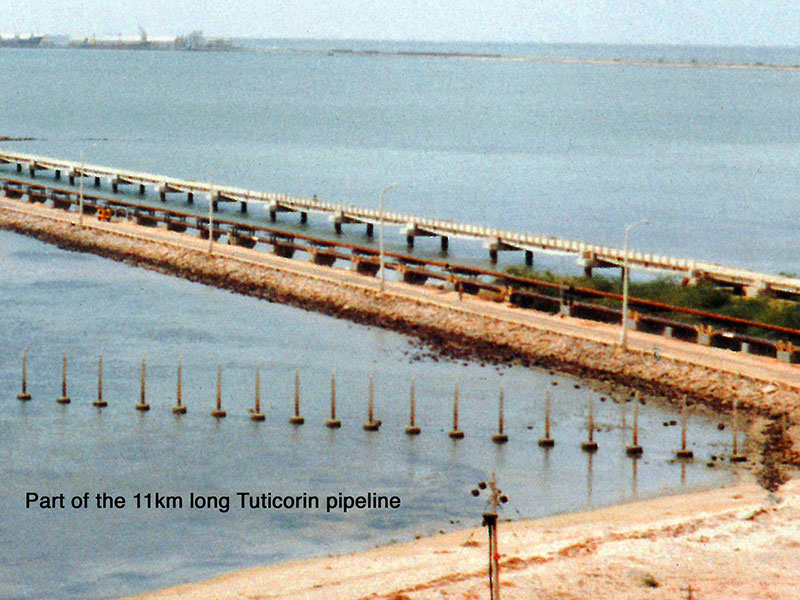
The very first application of a vegetable-derived polyurethane foam was used to insulate an above-ground ammonia pipeline in India.
We used our Envirocast P600 grade, based on locally sourced sunflower oil.
It was at this point that a significant move was made, resulting in the formation of Dr Colvin’s own company, Industrial Foam Systems (IFS) Ltd in 1982. This new business was centred on innovation of customised solutions from vegetable-based chemicals. In addition to his own vegetable polyol plant, several production units were sold to countries with plentiful sources of vegetable oils including palm oil in Malaysia and both soyabean and sunflower oil in Brazil.
It was found that most material properties could be satisfied using one bio-based material. The USDA measured a biocarbon content of 89%.
However, it was at this time that the standard blowing agents used in polyurethane foams (CFCs) were found to adversely affect the earth’s ozone layer, something that required urgent action as a direct result of the Montreal Protocol in 1987. Whilst the general chemical industry decided to develop HCFC blowing agents as replacements, we developed the first CFC-free and HCFC-free blowing agents. This unique development of vegetable-based polyurethanes, expanded with totally benign blowing agents, led to a significant growth for the company, including the establishment of significant business in the Middle East.
By 1988, the company had combined the use of vegetable oils and zero ODP (Ozone Depletion Potential) blowing agents for most polyurethane applications. This progress was unique and led to one of the largest UK manufacturers of building panels (Portakabin) switching their polyurethane chemical purchases from ICI Polyurethanes Ltd to IFS Chemicals. This was a major turning point for the recently established company.
Further improvements in greener polyurethanes, polyureas, polyoxazolidones and polyimides led to a significant growth for IFS, resulting in a move to much larger premises in Norfolk.
By this time, the business portfolio of IFS had grown to include high-performance thermoset materials for the refrigeration, building, automotive, marine and general moulding industries. A scientific paper was presented at the UTECH conference in Singapore in 1994, providing details of this new chemical approach. Unfortunately, there was little interest in the use of more sustainable, non-fossil derived products at that time, but the company continued to expand its R&D effort in reduced environmental impacts.
Ultimately, this successful approach led to the acquisition of the company in 2017 by Huntsman Corporation, at which point it was
renamed Huntsman-IFS Ltd.
Following the sale of IFS, Dr Colvin decided to apply his significant experience of vegetable-based chemistry, and the use of recycled plastics, to the important and growing area of composites for the advanced engineering sector. This led to the formation of Advanced Thermosets Ltd and it’s production facility, Rubix Advanced Materials.